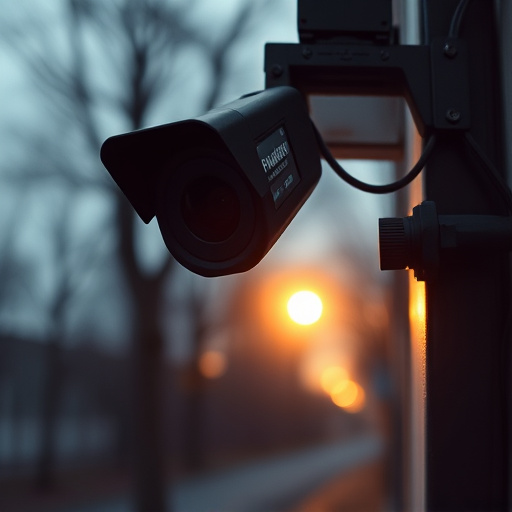
Hidden Security Cameras With Audio (HSCWA) integrate advanced tech for discreet surveillance, offering HD video, night vision, and enhanced audio. Blending into everyday objects, they provide remote access and real-time monitoring. Yet, their growing discretion poses challenges in detection, necessitating awareness to prevent privacy breaches. Legal considerations regarding consent and tampering prevention are crucial for effective use while adhering to stringent regulations.
Uncover the ins and outs of covert recording equipment placement and detection in our comprehensive guide. Explore the world of hidden security cameras, understanding their advanced techniques for stealthy installation. Learn about sophisticated audio detection methods that can identify these clandestine devices. We also delve into legal considerations and privacy rights surrounding this technology, along with strategies to prevent and detect tampering. Discover how to safeguard your space from hidden microphones and cameras with our expert insights on staying informed and secure.
- Understanding Covert Recording Equipment
- Common Placement Techniques for Hidden Cameras
- Advanced Audio Detection Methods
- Legal Considerations and Privacy Rights
- Preventing and Detecting Security Camera Tampering
Understanding Covert Recording Equipment
Covert recording equipment, often referred to as hidden security cameras with audio, is designed to capture footage and sounds discreetly, making it an essential tool for surveillance. These devices are meticulously engineered to blend into their surroundings, whether it’s a tiny camera disguised as a smoke detector or a pen with a built-in recording function. The primary goal is to gather evidence without raising suspicion, making them popular choices for various purposes, from home security to professional investigations.
The advancement of technology has significantly improved the capabilities and quality of covert recording equipment. High-definition video, night vision capabilities, and advanced audio processing ensure that even subtle details can be captured accurately. This level of discretion poses unique challenges during detection, as individuals must become adept at recognizing these hidden devices to prevent invasion of privacy or illegal surveillance.
Common Placement Techniques for Hidden Cameras
Hidden Security Cameras With Audio are becoming increasingly sophisticated, allowing for their discreet placement in various environments. Common techniques include utilizing everyday objects as cover, such as light fixtures, smoke detectors, and even potted plants. These items can house cameras with audio capabilities, providing covert surveillance without raising suspicion.
Another method is to integrate the camera into common household accessories like clocks, power strips, or bookends. This approach leverages the natural blend of these objects within a space, making it easier for them to go unnoticed. Advanced models offer remote access and real-time monitoring, further enhancing their effectiveness in security applications.
Advanced Audio Detection Methods
In the realm of covert recording equipment, advanced audio detection methods have evolved significantly. Technology like hidden security cameras with audio capabilities now employ sophisticated algorithms and artificial intelligence to pinpoint sound sources with remarkable accuracy. These devices can detect subtle audio signals, making them ideal for situations where visual surveillance might be compromised or redundant.
By integrating heat maps and noise profiles, modern systems can identify not just the presence but also the origin of sounds, even in environments filled with ambient noise. This level of sophistication ensures that hidden security cameras with audio functionality remain undetected while providing crucial evidence, making them game-changers in both private security and law enforcement applications.
Legal Considerations and Privacy Rights
When it comes to covert recording equipment placement, understanding legal considerations and privacy rights is paramount. The use of hidden security cameras with audio capabilities raises significant ethical and legal questions. Many countries have strict regulations governing surveillance practices, particularly when it comes to secretive recording. Unauthorized installation of such devices can lead to severe legal consequences, including charges for invasion of privacy or illegal wiretapping.
Individuals have a reasonable expectation of privacy in certain settings, which is protected by law. Placing hidden cameras in places like homes, offices, or public spaces without explicit consent can violate these rights. It’s crucial to consult local laws and gain appropriate authorization before deploying any covert recording equipment to ensure compliance and protect against potential legal repercussions.
Preventing and Detecting Security Camera Tampering
Preventing and detecting tampering with security cameras is a critical aspect of maintaining effective surveillance systems, especially with the advancement of hidden security cameras with audio capabilities. Cameras can be targeted by determined individuals seeking to compromise the integrity of the footage for malicious purposes. To mitigate this risk, a multi-layered approach is essential. This includes utilizing tamper-proof housings that are securely mounted and regularly checked for any signs of forced access or manipulation.
Advanced detection mechanisms such as motion sensors, audio alerts, and sophisticated analytics can aid in identifying suspicious activities around cameras. Regular maintenance checks should include inspecting the camera’s physical state, verifying cable connections, and ensuring the integrity of the power supply. By combining robust hardware design with intelligent monitoring software, security professionals can significantly reduce the chances of successful tampering while providing invaluable evidence for forensic analysis if any unauthorized alterations are detected.
The evolution of hidden security cameras with audio capabilities has transformed surveillance, but it also presents complex challenges. Understanding covert recording equipment placement and detection is crucial for both enhancing security and respecting privacy rights. By mastering common techniques, employing advanced audio detection methods, and staying aware of legal considerations, individuals and organizations can navigate this intricate landscape effectively. Preventing and detecting tampering ensures the integrity of surveillance systems, ultimately fostering a safer and more informed environment.